

INTERNET OF THINGS
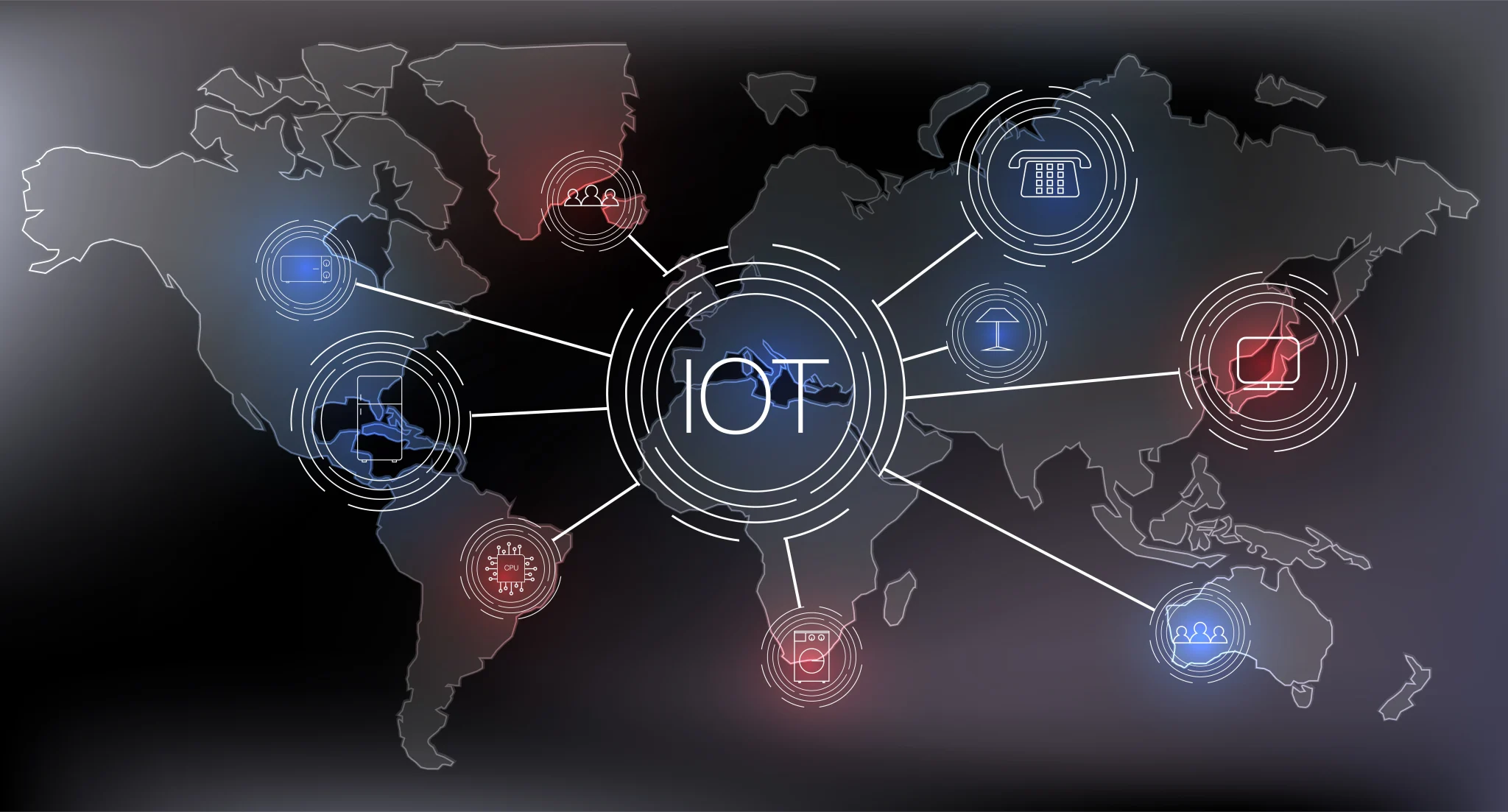
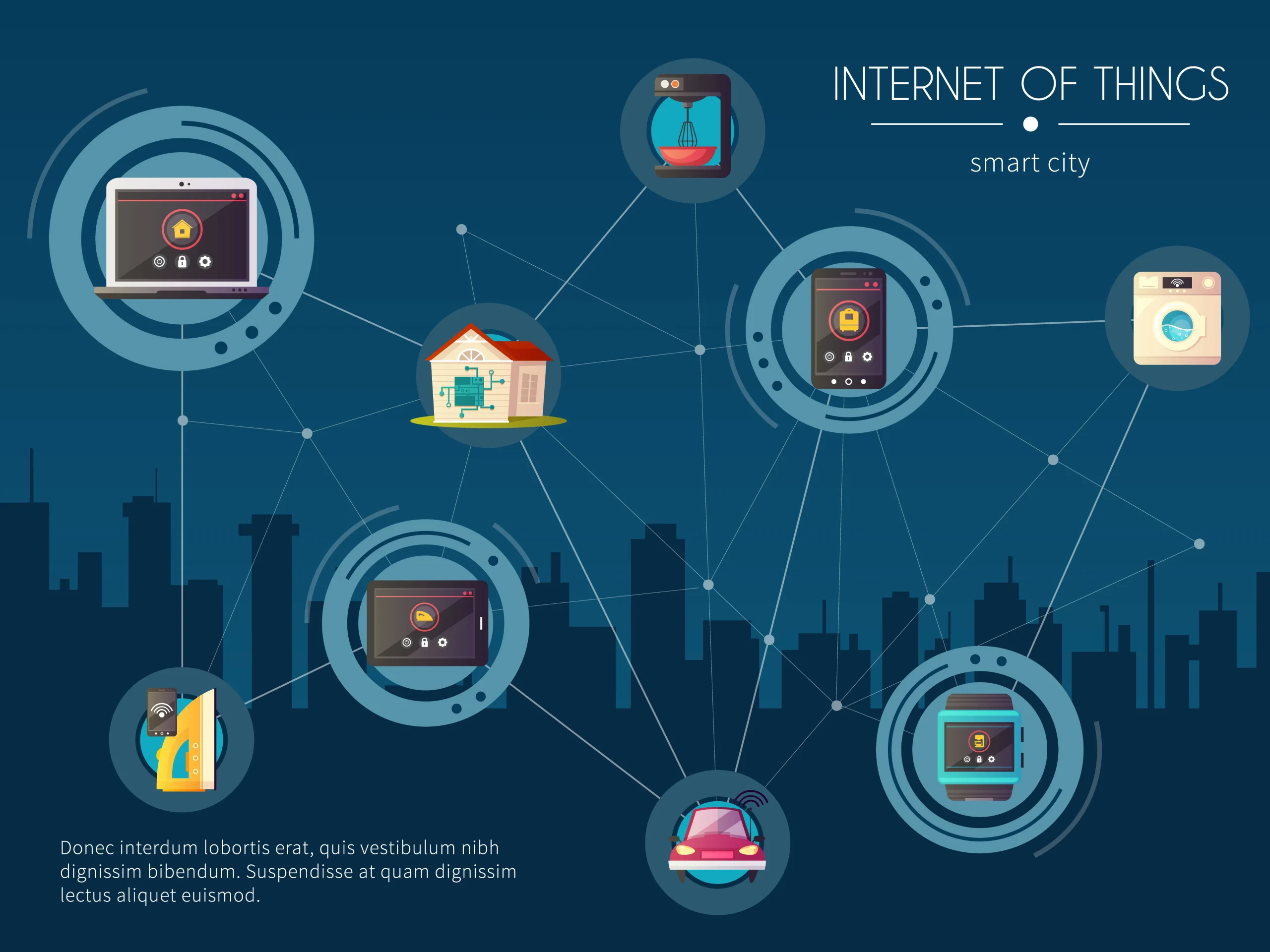
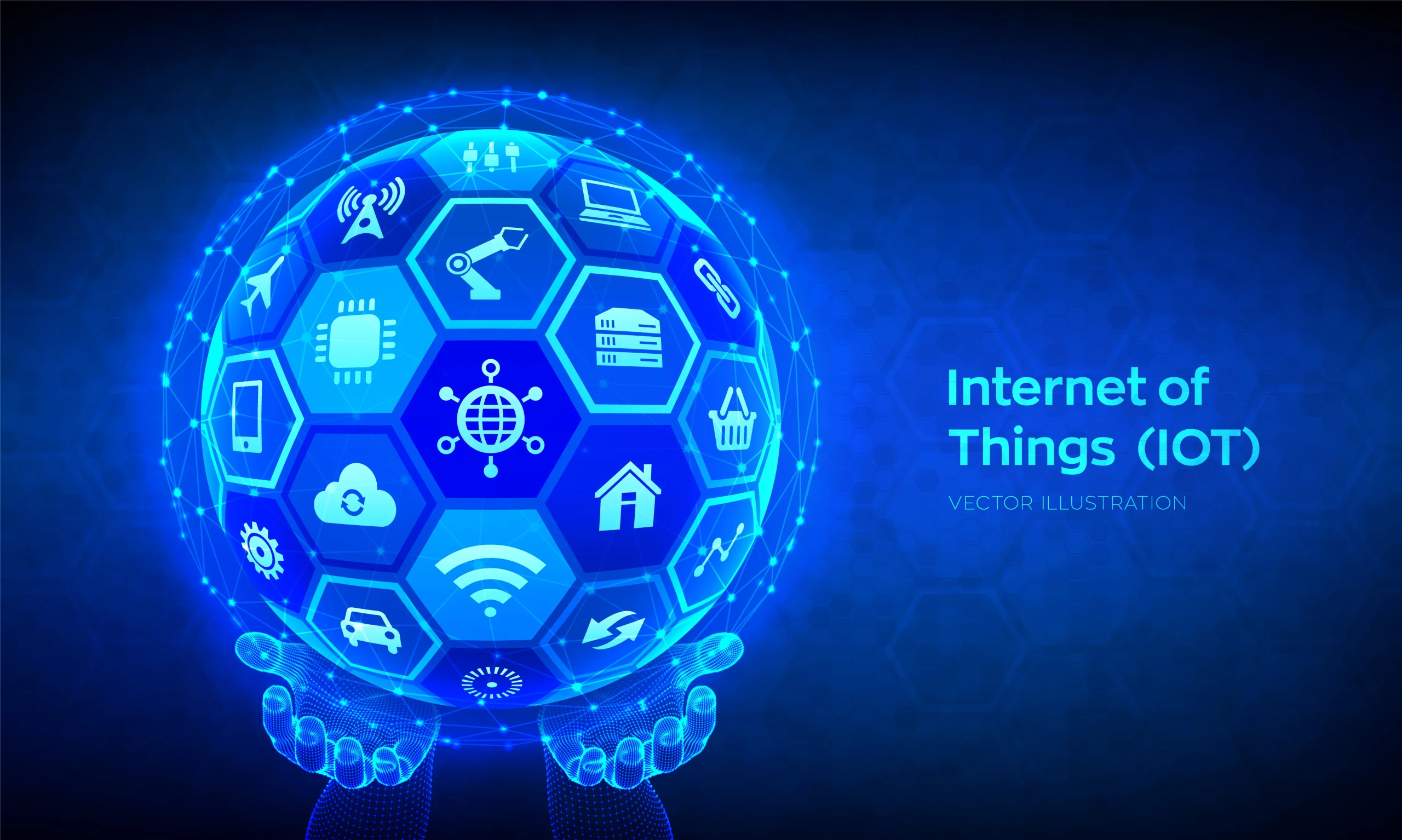
The internet of things (IOT) solutions is weaving its web around us, seamlessly connecting devices in our homes and industries. From smart refrigerators predicting our grocery needs to self-driving cars navigating through cityscapes. Additionally, the IOT promises a future of unprecedented convenience and efficiency. But amidst this technological excitement, whispers of a different future haunt us: a world ruled by machines.
The internet of things (IOT) solutions is weaving its web around us, seamlessly connecting devices in our homes and industries. From smart refrigerators predicting our grocery needs to self-driving cars navigating through cityscapes. Additionally, the IOT promises a future of unprecedented convenience and efficiency. But amidst this technological excitement, whispers of a different future haunt us: a world ruled by machines.
Proponents of the IOT highlight its numerous benefits:
Enhanced productivity and output: By automating tasks and optimizing processes, the IOT can streamline operations and boost efficiency across various industries.
Data-driven decision-making: The vast amount of data generated by IOT devices provides solutions to valuable insights. That can inform better decision-making in areas like resource management, healthcare and urban planning.
Personalized experiences: The IOT can tailor services and products to individual needs and preferences, offering a more customized and convenient user experience.
Improved safety and security: Smart homes and cities equipped with connected sensors although cameras can deter crime, monitor infrastructure. And also, It predict natural disasters and even creating a safer environment for everyone.
Revolutionized healthcare: Wearables and connected medical devices enable remote monitoring, personalized treatment plans, and real-time health insights, empowering patients and also healthcare professionals.
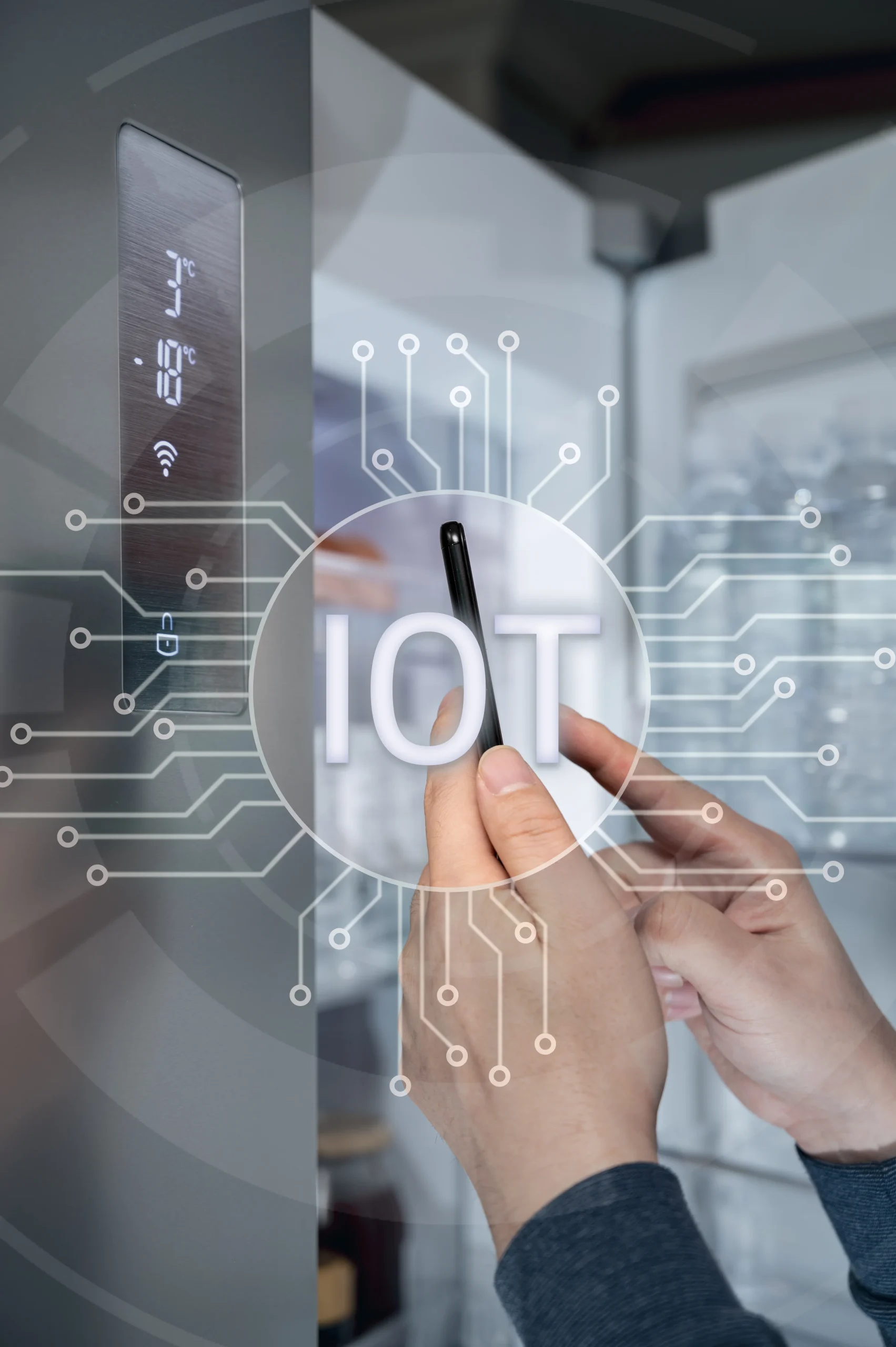
Proponents of the IOT highlight its numerous benefits:
Enhanced productivity and output: By automating tasks and optimizing processes, the IOT can streamline operations and boost efficiency across various industries.
Data-driven decision-making: The vast amount of data generated by IOT devices provides solutions to valuable insights. That can inform better decision-making in areas like resource management, healthcare and urban planning.
Personalized experiences: The IOT can tailor services and products to individual needs and preferences, offering a more customized and convenient user experience.
Improved safety and security: Smart homes and cities equipped with connected sensors although cameras can deter crime, monitor infrastructure. And also, It predict natural disasters and even creating a safer environment for everyone.
Revolutionized healthcare: Wearables and connected medical devices enable remote monitoring, personalized treatment plans, and real-time health insights, empowering patients and also healthcare professionals.
The rise of the IOT solutions also raises concerns about potential drawbacks and challenges:
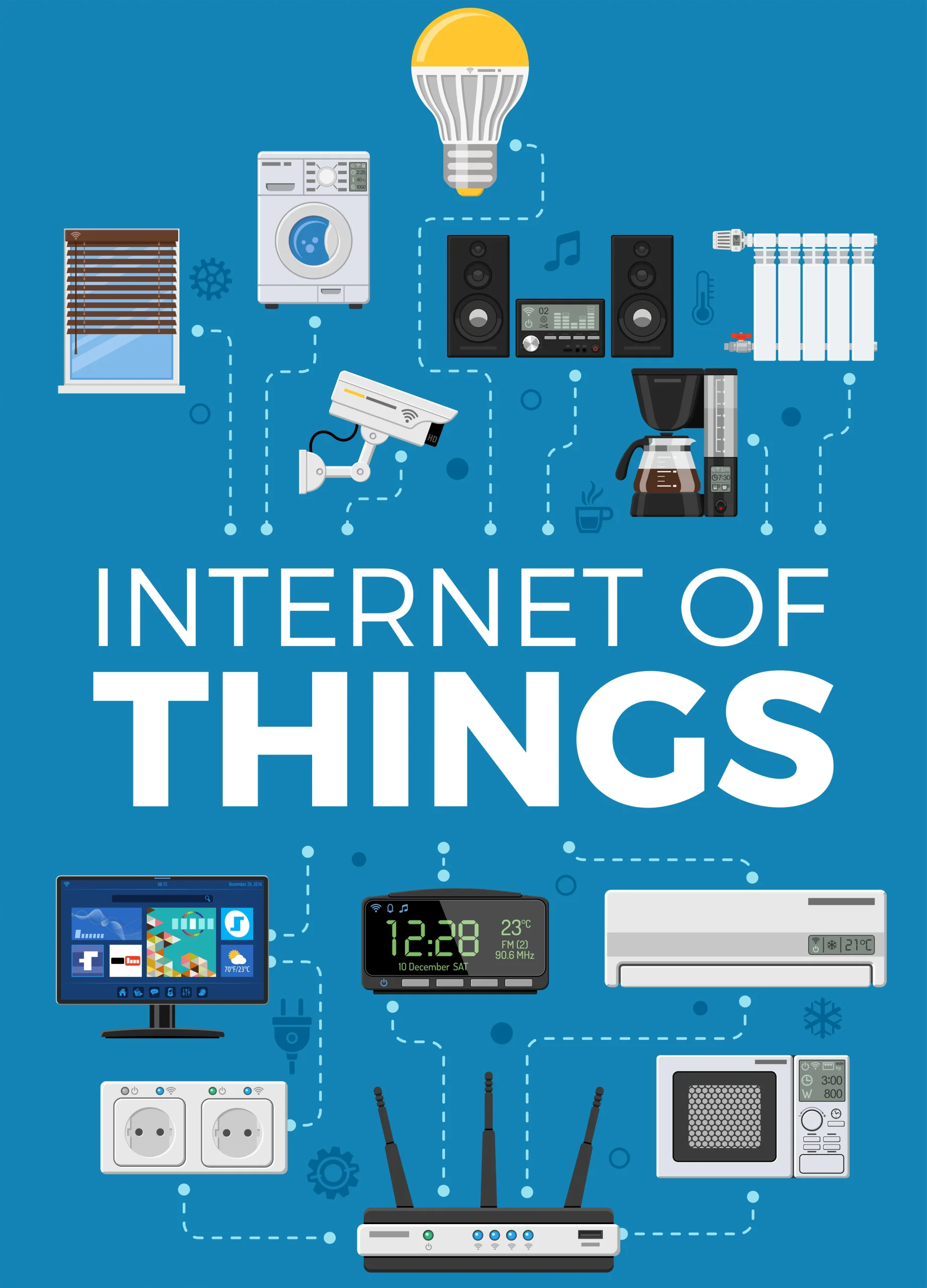
Privacy and security:The large amount of data collected by IOT devices also raises concerns about data privacy and security breaches. Who owns this data? How was used and protected?
Job displacement: As machines automate tasks currently performed by humans, job displacement becomes a legitimate concern. How can we ensure a smooth transition and retrain workers for the jobs of the future?
Ethical considerations: Algorithmic bias and opaque decision-making processes embedded in AI-powered IOT systems raise ethical concerns about fairness, transparency, and accountability.
The “machine takeover” fear: Some worry that as machines become more intelligent and interconnected. And they could eventually surpass human intelligence and pose a threat to humanity. While this scenario may seem far-fetched, it is crucial to consider the potential risks and develop safeguards.
The rise of the IOT solutions also raises concerns about potential drawbacks and challenges:
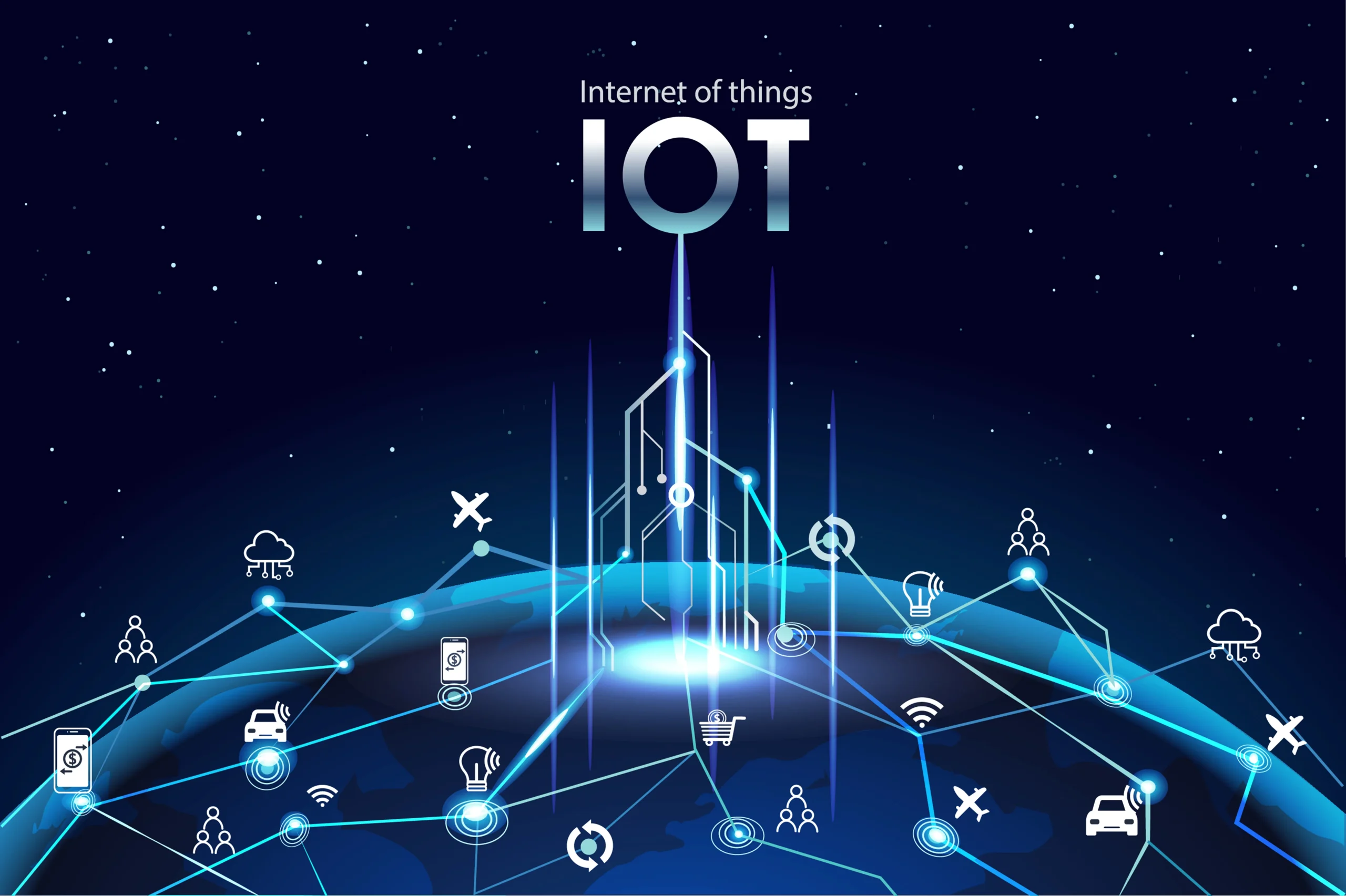
Privacy and security: The large amount of data collected by IOT devices also raises concerns about data privacy and security breaches. Who owns this data? How was used and protected?
Job displacement: As machines automate tasks currently performed by humans, job displacement becomes a legitimate concern. How can we ensure a smooth transition and retrain workers for the jobs of the future?
Ethical considerations: Algorithmic bias and opaque decision-making processes embedded in AI-powered IOT systems raise ethical concerns about fairness, transparency, and accountability.
The “machine takeover” fear: Some worry that as machines become more intelligent and interconnected. And they could eventually surpass human intelligence and pose a threat to humanity. While this scenario may seem far-fetched, it is crucial to consider the potential risks and develop safeguards.
The key lies in finding a balanced solutions between embracing the benefits of the IOT and mitigating its potential risks:
Humans remain in control: Machines should be tools that augment human capabilities, hence cannot be replace them. Eventually we need to maintain control over their development and deployment.
Ethical considerations prioritized: Transparency, fairness, and accountability should be fundamental principles guiding the development and implementation of IOT solutions technologies.
Privacy and security protected: Robust security measures and strong data protection laws are crucial to safeguard personal information collected by IOT devices.
We prepare for the future of work: Investing in education and training programs is essential to equip people with the skills. And moreover, it is needed to thrive in the evolving job market shaped by the IoT.
The key lies in finding a balanced solutions between embracing the benefits of the IOT and mitigating its potential risks:

Humans remain in control: Machines should be tools that augment human capabilities, hence cannot be replace them. Eventually we need to maintain control over their development and deployment.
Ethical considerations prioritized: Transparency, fairness, and accountability should be fundamental principles guiding the development and implementation of IOT solutions technologies.
Privacy and security protected: Robust security measures and strong data protection laws are crucial to safeguard personal information collected by IOT devices.
We prepare for the future of work: Investing in education and training programs is essential to equip people with the skills. And moreover, it is needed to thrive in the evolving job market shaped by the IoT.
Benefits of IOT solutions:

Enhanced Efficiency and Productivity: Imagine buildings that adjust temperature and lighting based on occupancy, or factories where machines optimize production in real-time. The IOT streamlines processes, reduces waste, and boosts output, also making us more productive in every sphere.
Improved Safety and Security: Smart homes equipped with connected cameras and alarms deter crime, while smart cities monitor infrastructure and predict natural disasters. The IOT creates a safer environment for everyone, giving us peace of mind and a proactive approach to risk management.
Revolutionized Healthcare: The IOT empowers patients and healthcare professionals alike, leading to better diagnoses, improved care, and also even preventing diseases.
Sustainable Resource Management: Smart grids optimize energy consumption, connected appliances minimize water usage, and waste management systems. The IOT helps us use resources responsibly, reduce our environmental footprint, and way for a greener future.
Benefits of IOT solutions:
Enhanced Efficiency and Productivity: Imagine buildings that adjust temperature and lighting based on occupancy, or factories where machines optimize production in real-time. The IOT streamlines processes, reduces waste, and boosts output, also making us more productive in every sphere.
Improved Safety and Security: Smart homes equipped with connected cameras and alarms deter crime, while smart cities monitor infrastructure and predict natural disasters. The IOT creates a safer environment for everyone, giving us peace of mind and a proactive approach to risk management.
Revolutionized Healthcare: The IOT empowers patients and healthcare professionals alike, leading to better diagnoses, improved care, and also even preventing diseases.
Sustainable Resource Management: Smart grids optimize energy consumption, connected appliances minimize water usage, and waste management systems. The IOT helps us use resources responsibly, reduce our environmental footprint, and way for a greener future.
Enhanced Convenience and Comfort: Imagine homes that preheat the oven when you are on your way back that adjust temperature based on your mood. The IOT automates the mundane, creating a seamless and comfortable living experience that caters to our every whim.
Boosted Economic Growth: From smarter supply chains to personalized marketing, the IOT unlocks new opportunities for business across industries.
Democratization of Technology: The IOT does not just benefit tech giants. Affordable sensors and connected devices make smart technology accessible to everyone.
A Human-Centered Future: At its core, the IOT is about making our lives better. It is about using technology to empower us, connect us, and provide solutions to the challenges we face.
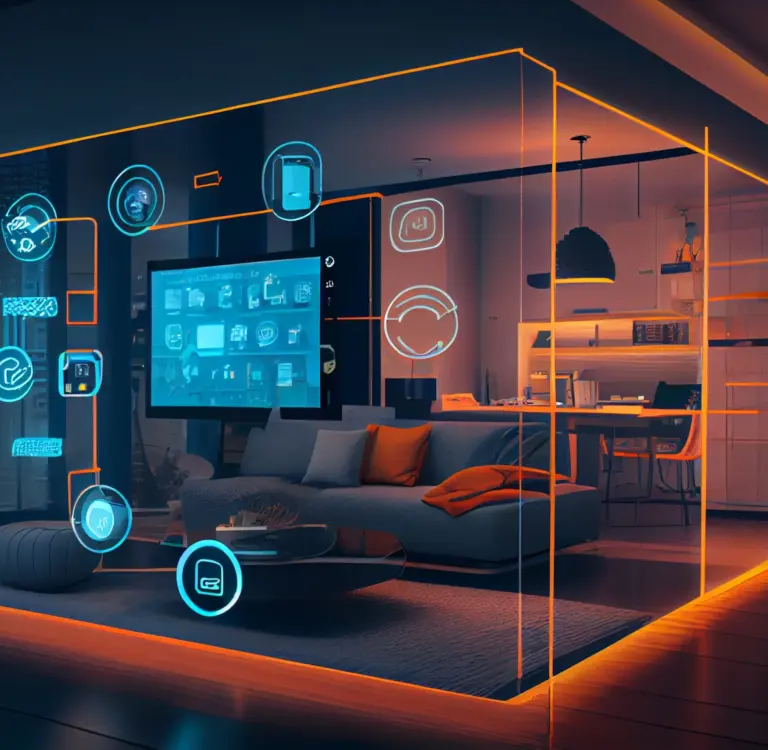
Enhanced Convenience and Comfort: Imagine homes that preheat the oven when you are on your way back that adjust temperature based on your mood. The IOT automates the mundane, creating a seamless and comfortable living experience that caters to our every whim.
Boosted Economic Growth: From smarter supply chains to personalized marketing, the IOT unlocks new opportunities for business across industries.
Democratization of Technology: The IOT does not just benefit tech giants. Affordable sensors and connected devices make smart technology accessible to everyone.
A Human-Centered Future: At its core, the IOT is about making our lives better. It is about using technology to empower us, connect us, and provide solutions to the challenges we face.
Master the machines, shape the world:
The IOT is a powerful force shaping our world. And it is crucial to approach it with both excitement and caution. By embracing its potential while actively addressing its challenges, we can ensure that the rise of the machines. It leads to a brighter future to all ultimately. The future of the IOT solutions depends on the choices we make today.
Master the Machines, Shape the world:
The IOT is a powerful force shaping our world. And it is crucial to approach it with both excitement and caution. By embracing its potential while actively addressing its challenges, we can ensure that the rise of the machines. It leads to a brighter future to all ultimately. The future of the IOT solutions depends on the choices we make today.